Model access, infrastructure costs and enterprise execution shaped Friday’s AI agenda.
The sharpest story came from Anthropic and Alibaba. Alibaba is reportedly banning employees from using Claude Code, Anthropic’s AI coding tool, after internal concerns over security and monitoring features. The move follows Anthropic’s efforts to restrict unauthorized Chinese access to its systems and reflects a growing split between model capability and model availability.
The dispute points to a larger problem for frontier AI companies: tools built for global developers are now being filtered through national-security, compliance and corporate-risk concerns. Claude Code may be useful software, but the fight around it shows that advanced AI tools are also becoming sensitive infrastructure.
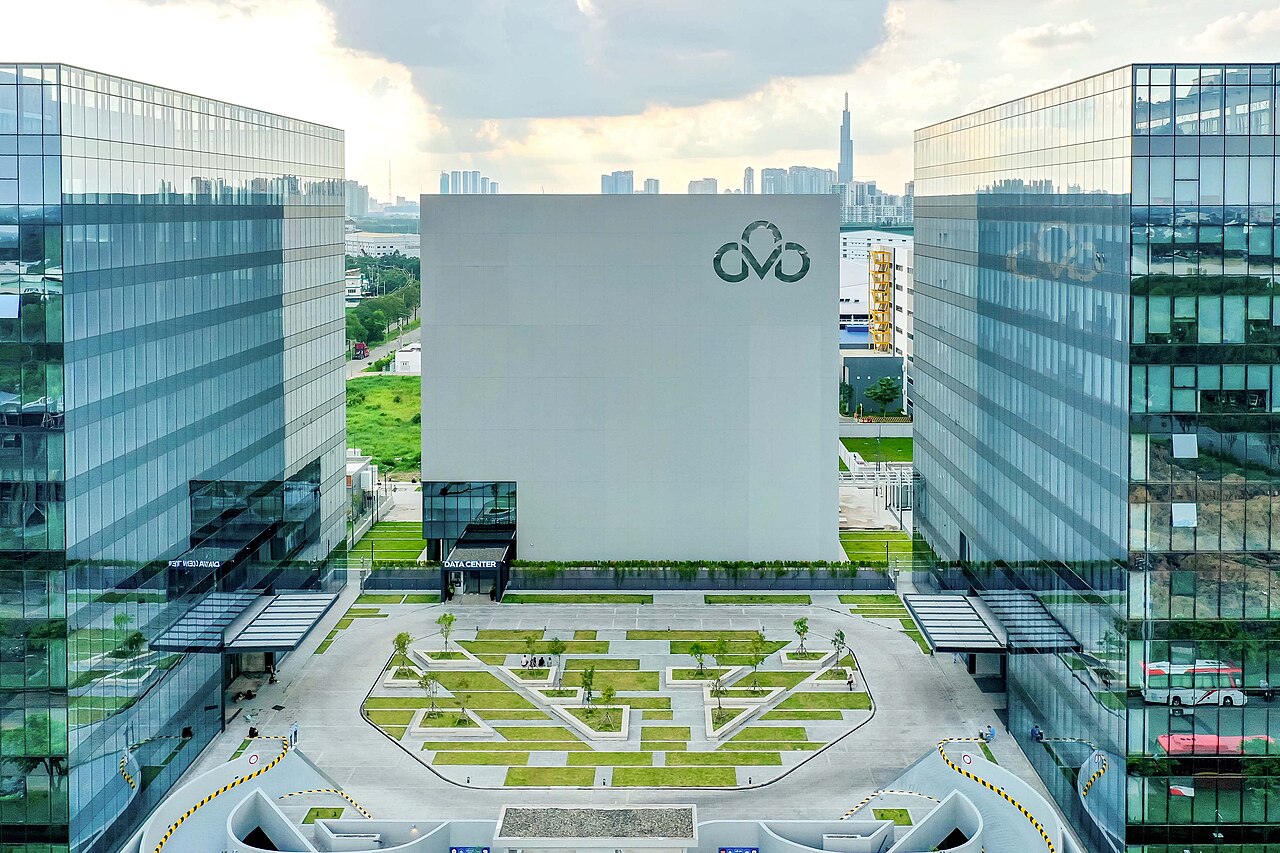
Infrastructure pressure remained visible elsewhere. Reports on Friday said AI data centers may use far more water than many operators disclose, especially when indirect water use from electricity generation is counted. Separate coverage of rural communities showed residents worried that data centers could raise utility costs and strain local resources. The issue is becoming less abstract: AI buildouts increasingly depend on whether communities, regulators and utilities are willing to absorb the local costs.
The AI infrastructure boom is now colliding with local questions about water, power, land and public trust.
The business case for AI still looked strong. HCLTech reportedly won a $1.1 billion AI-led deal tied to Mercedes-Benz, underscoring demand for large enterprise deployments. SAP is also restricting hiring and travel as it redirects resources toward AI priorities. Together, the stories suggest that companies are no longer treating AI as a side project. They are reorganizing budgets, vendors and internal operations around it.
But the labor signal was more mixed. A review of millions of job listings found that companies are still hiring for skills AI cannot easily replace, including judgment, systems design, debugging, governance and communication. At the same time, Goldman Sachs economists have warned that AI could eventually displace millions of U.S. workers. The near-term picture is not simple replacement; it is a shift in which routine work is pressured while higher-accountability technical skills become more valuable.
AI’s scientific ambitions also widened. Anthropic is pushing further into life sciences through Claude Science and plans to work on drug discovery, including neglected diseases. Alibaba’s research arm also drew attention for an AI agent that reportedly helped identify new superconductors. These stories point to AI moving beyond software assistance into research workflows where results still depend on verification, lab work and domain expertise.
Friday’s feed pointed to a narrower pattern: the AI race is no longer only about who has the best model. The day’s news turned on who can use those models, who can power them, who pays for their infrastructure, and which companies can turn AI capability into durable operations.