AI’s strategic bottlenecks are moving from models alone to access, chips, labor and education.
The clearest signal came from the continuing dispute around Anthropic and Alibaba. Alibaba has reportedly banned employees from using Claude Code, Anthropic’s AI coding assistant, after concerns about monitoring features that could identify users linked to China. The move follows earlier accusations around model distillation and Anthropic’s attempts to restrict unauthorized Chinese access to its systems.
The episode shows how AI coding tools are becoming more than developer software. They are now part of a wider contest over model access, corporate security, intellectual property and national technology strategy. A tool that helps engineers write code can also raise questions about who is using it, where the work is taking place and whether the provider can enforce restrictions across borders.
Anthropic remained central to the day’s feed in another way. Recent coverage continued to frame the restoration of Fable 5 access as one of the company’s largest wins of the year, after U.S. export restrictions were lifted following new safety controls. The company’s response appears to have satisfied regulators for broader Fable 5 access, while more sensitive systems remain subject to tighter use rules.
Hardware strategy also moved into focus. Reports said Anthropic is in talks with Samsung to develop a custom AI chip. If completed, the deal would place Anthropic more directly in the race to secure specialized compute, alongside companies that already rely on custom silicon, cloud partnerships and long-term capacity agreements.
The frontier AI race is increasingly a supply-chain race: chips, foundries, power, talent and trusted access all matter.
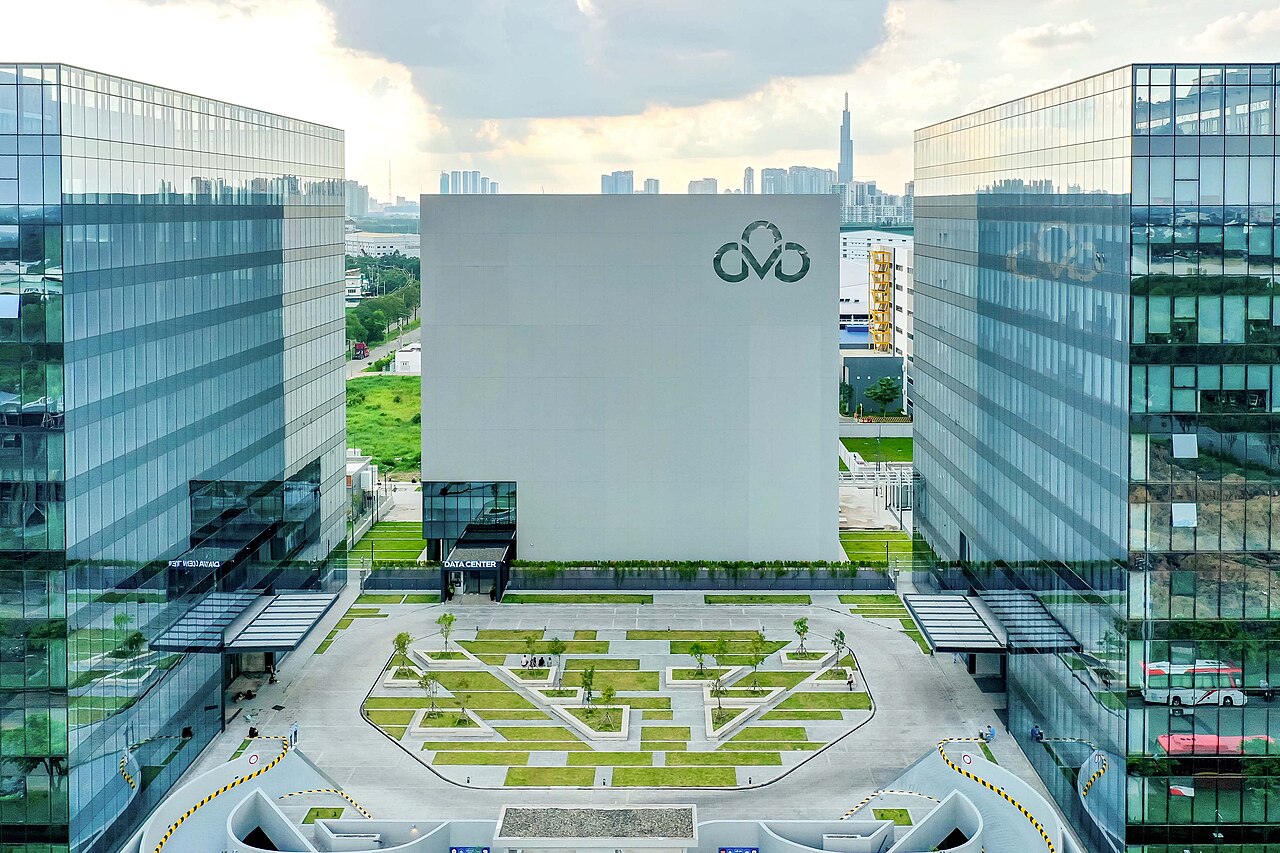
The labor story pointed in the same direction. BlackRock announced a major workforce initiative aimed at training tens of thousands of skilled trades workers for the AI infrastructure buildout. The program reflects a practical constraint often missing from software-first AI coverage: data centers, power systems, cooling equipment and grid upgrades require electricians, HVAC technicians, welders, plumbers and other physical-infrastructure workers.
That shift is beginning to affect career narratives. Coverage in the feed highlighted six-figure trade jobs tied to the AI boom, while other reporting pointed to rising demand for industrial and mechanical engineers in data-center markets. AI may pressure some white-collar tasks, but its infrastructure buildout is also increasing demand for workers who can build, operate and maintain the physical systems behind the models.
Education was another thread. The Wall Street Journal reported that some high-income families are moving away from traditional schools toward programs emphasizing life skills, entrepreneurship and AI-assisted learning. The trend remains early and uneven, but it reflects a broader anxiety: families and institutions are trying to guess what skills will retain value as AI changes the labor market.
Saturday’s feed pointed to a narrower conclusion: AI deployment is becoming an institutional systems problem. Model performance still matters, but the day’s stories turned on who can access advanced tools, who can build the chips, who can construct the infrastructure, and how workers and students prepare for the economy around it.